Amid a sea of distrust in established institutions and traditional influencers such as national leaders and major news organizations, an interesting trend is revealing itself: Trust in social media, and influencers on those platforms, is inching upward.
The highly regarded Edelman Trust Barometer unveiled some worrisome results in its 2026 global report, for which it surveyed 40,000 people in 28 countries. In the U.S. and around the world, people are retreating into insularity and expressing increasing distrust in institutions, elected leaders, legacy media outlets and other established areas of influence. (See accompanying story, “Rebuilding trust in time of insularity,” for more survey insights.)
But the survey revealed an interesting development: Social media is no longer classified as “distrusted.” Sentiment about the sector rose 2 percentage points year-over-year, with it now classified as “neutral,” with 50% of respondents indicating trust. They responded to the question, “Please indicate how much you trust businesses in each of the following industries to do what’s right.”
This increased trust in social media could be a reflection of the overall rising insularity unveiled by the trust barometer. After all, people indicate less trust in people and institutions “out there” and more trust in their own circles — distrust in CEOs in general but trust in “my CEO,” for example. And social media, with its wildly adaptive algorithms, feeds us ever-increasing “my” content that reinforces our beliefs, interests and trusted influencers.
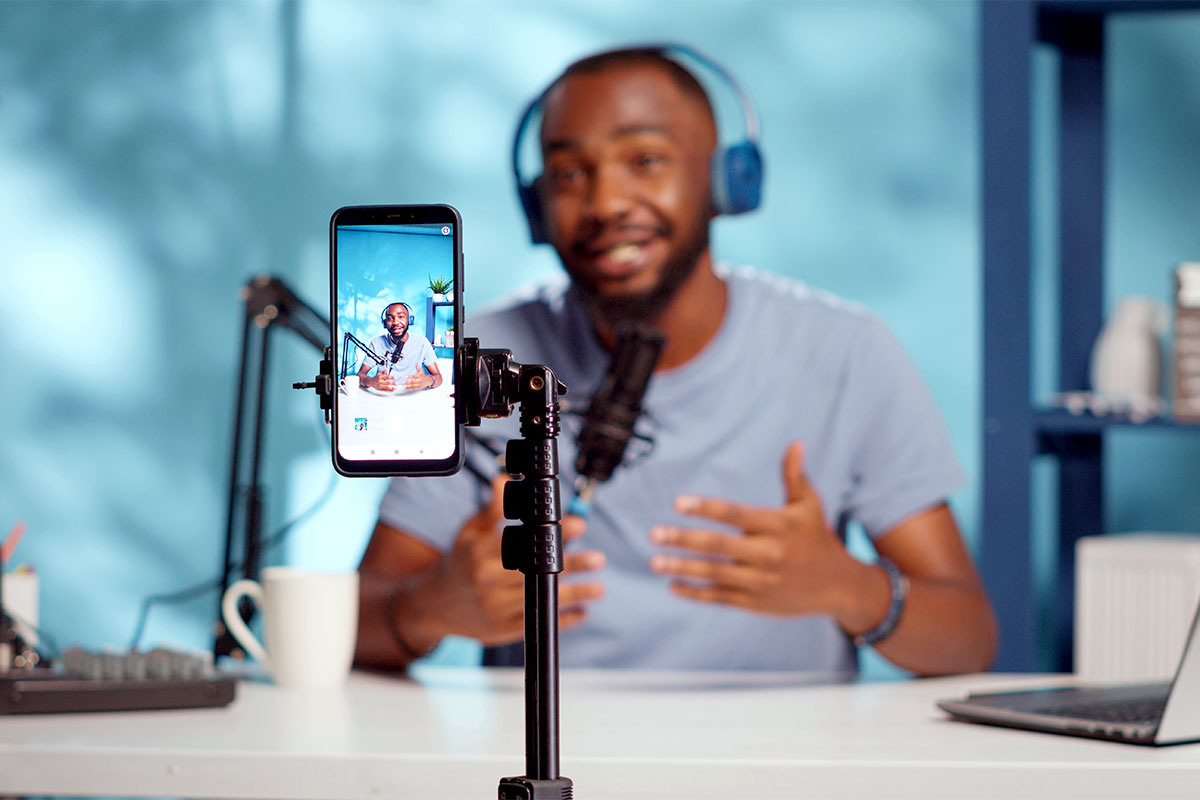
What does this mean for brands and organizations? There’s an increasing opportunity to leverage established relationships with trusted influencers to boost institutional trust. The 2026 trust barometer revealed an avenue to use trusted voices on social media to open closed doors.
For example, people who trust influencers say they would consider trusting a company they currently distrust if it were vouched for by somebody they already trust. For example, among the 48% of survey respondents who said they trust a food and lifestyle influencer, a full 62% said they would still trust this influencer and would consider trusting a food company they distrust if that influencer endorsed it. And among the 44% of survey respondents who said they trust a financial influencer, 57% would consider trusting a financial company they distrusted if that influencer endorsed it.
Brands must still use caution and rely on research before deciding to align with particular social media influencers. But as the trust barometer results make clear, in a time of widespread distrust and insularity, influencers may hold an increasingly important role in connecting with audiences and moving the needle with consumers.